
Chillai Kalan: Kashmir’s Harshest 40 Days of Winter
Chillai Kalan is the most severe phase of winter in Kashmir, lasting for 40 days from December 21 to January 29. Known for its biting cold, relentless snowfall and frozen landscapes, this period defines the true intensity of a Kashmiri winter. While Chillai Kalan plays a crucial role in replenishing glaciers and sustaining the regions water resources, it also presents significant challenges to daily life, infrastructure and livelihoods.
What is Chillai Kalan?
The term Chillai Kalan comes from persian, where Chillai means forty and Kalan means Big. As the name suggests, it is the harshest 40 days stretch of winter in Kashmir. During this time, tempreture often plunge well below freezing, sometimes dropping to -10`C or lower, especially during night hours.
This period is followed by two relatively milder phase known as Chillai Khurd (20 Days) and Chillai Bachcha (10 days) but none match the severity of Chillai Kalan.
Extreme Cold and Heavy Snowfall
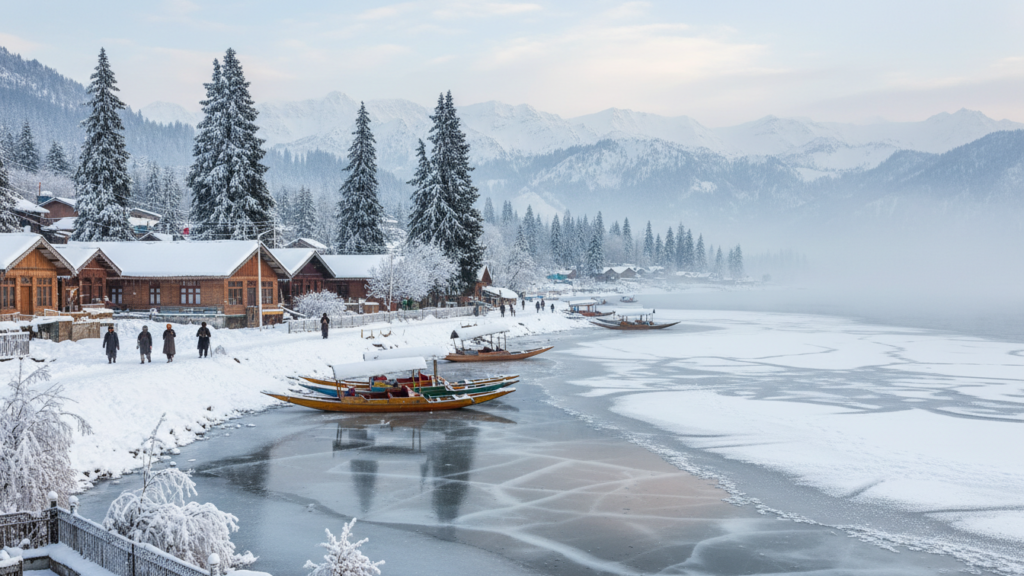
Chillai Kalan is synonymous with intense cold waves and heavy snowfall. Snow blankets the Kashmir Valley, transforming it into a picturesque white landscape while also disrupting normal life. Roads, especially in remote and mountainous areas, often become inaccessible due to snow accumulation.
One of the most iconic sights during this period is the freezing of water bodies, including parts of Dal Lake in Srinagar. In extreme years, even rivers and streams partially freeze, reflecting the intensity of the cold.
Read More : 7 Shocking Truths Connecting Stranger Things to The Montauk Project
Impact on Daily Life in Kashmir
Life during Chillai Kalan slows down considerably. Schools may shut down, transport services are frequently disrupted, and power outages become common due to damaged electricity lines. Residents rely heavily on traditional heating methods such as Kangris (fire pots) and wood-fired heaters to survive the cold.
Access to fresh vegetables becomes limited, leading many households to depend on sun-dried foods like hokh syun (dried vegetables), a long-standing Kashmiri winter tradition. Despite these hardships, the people of Kashmir have adapted over generations to endure this challenging season.
Importance for Glaciers and Water Resources
While Chillai Kalan poses difficulties for human life, it is vital for the region’s ecological balance. The heavy snowfall during this period replenishes glaciers in the Himalayas, which serve as a crucial freshwater source for rivers such as the Jhelum.
The snow accumulated during Chillai Kalan slowly melts in spring and summer, ensuring water availability for agriculture, hydropower generation, and drinking needs. Without this intense winter phase, Kashmir’s water security would be at risk.
Cultural and Seasonal Significance
Chillai Kalan holds cultural importance in Kashmir. It marks a time of resilience, community bonding, and traditional practices. People spend more time indoors, sharing warm meals like Harissa and Kahwa, while local markets adapt to winter demands.
For tourists, Chillai Kalan offers a unique experience. Snow-covered landscapes, frozen lakes, and winter sports in destinations like Gulmarg attract adventure seekers and photographers from around the world.
Challenges and Changing Climate Patterns
In recent years, climate change has begun to affect Chillai Kalan. Variations in snowfall patterns and fluctuating temperatures have raised concerns among environmentalists and farmers alike. Reduced snowfall during this critical period could have long-term consequences for glaciers and water availability in the region.
Conclusion
Chillai Kalan is more than just a winter phase—it is a defining element of Kashmir’s climate, culture, and ecology. Despite the extreme cold, heavy snowfall, and daily challenges it brings, Chillai Kalan remains essential for sustaining glaciers, water resources, and the natural rhythm of life in the Valley. It stands as a testament to both the harsh beauty of Kashmir and the resilience of its people.
Pingback: 10 Powerful AI Tools for Students & Teachers in 2026 (Ultimate Guide) - uslearning.in